Lead Engineer | iOS and Android
Sportlink
Sportlink builds software for sports clubs and unions in the Netherlands. As Lead Engineer I lead the distributed mobile team behind native iOS and Android apps for seven Dutch and Belgian sports unions, including Voetbal.nl, one of the most used sports apps in the country.
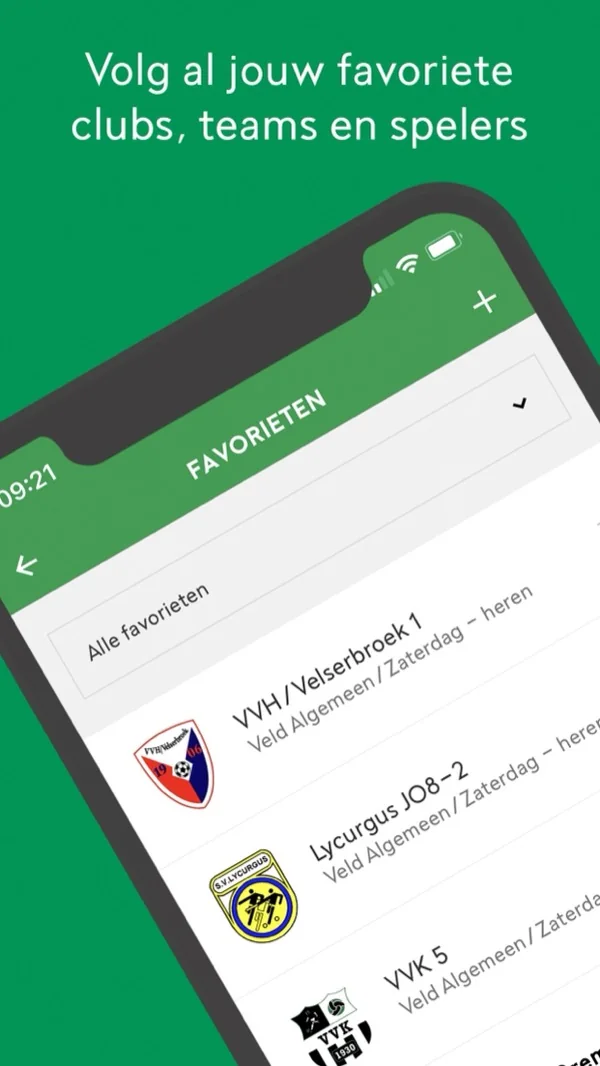
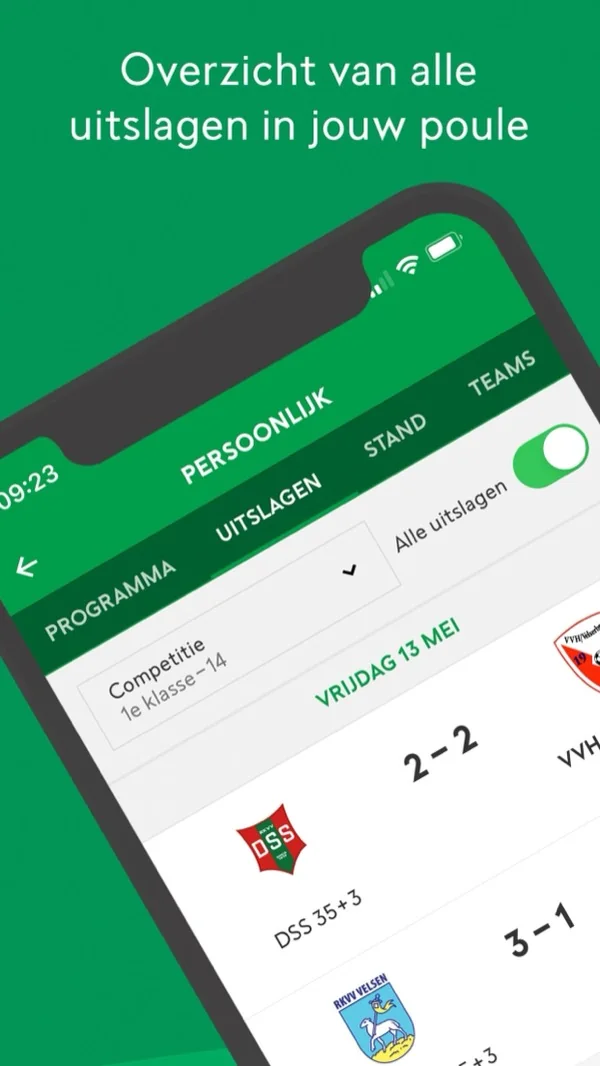
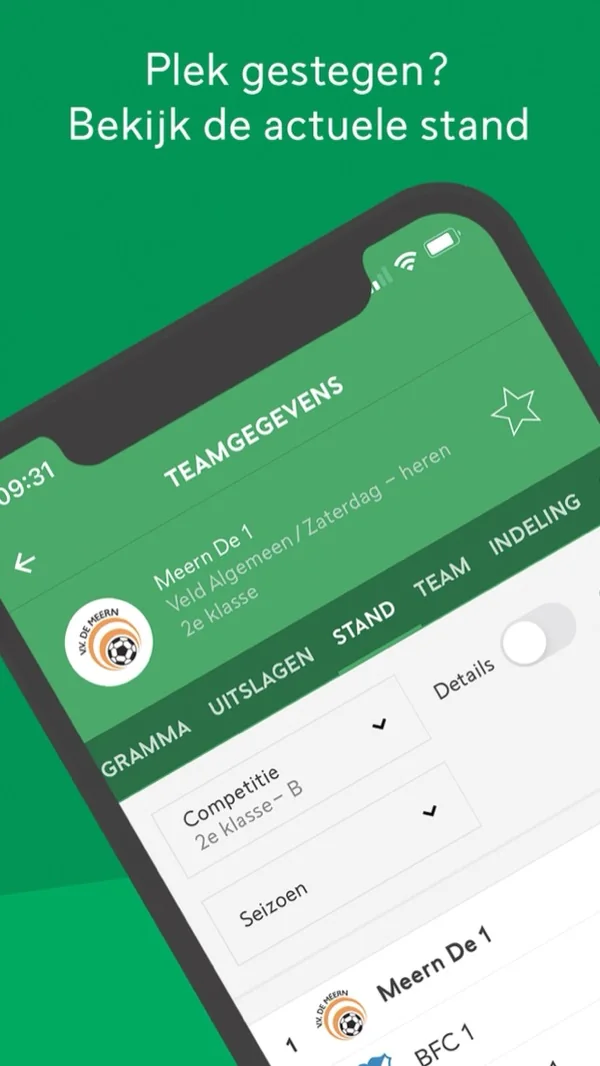
Voetbal.nl App Store screenshots © Voetbalmedia BV, shown here as an example of the apps I lead.
The job
I lead a team that works both remotely and in a hybrid setup. Together we ship 16 app flavors, eight on iOS and eight on Android, every two weeks through an automated delivery pipeline. Voetbal.nl is the flagship, used by millions of people over a single weekend.
The team is small by design: a product owner, three developers working across app and backend, a QA engineer, a technical analyst and me. Automation does the repetitive work so seven people can keep sixteen apps moving.
What we built
- Push notifications that keep players, parents and coaches informed.
- Live score entry for several unions, so results appear in the app as the match is played.
- Two new club apps, standalone apps for sports clubs, an effort I led.
- A move to OAuth2. We migrated legacy authentication across every flavor and platform. Feature toggles per flavor and per platform let us roll out gradually and de-risk the change, and test guides helped each union validate the new login flows and prepare its own organisation before go-live.
AI, with a safety net
Much of our backend is written in Navajo, a service framework from Dexels with little debugging support. That is a poor fit for AI out of the box, so I built Claude skills and agents that teach it how to work in Navajo. Then I had Claude set up a local test harness. Every change runs locally and is checked by comparing API responses before and after, or against expected output for new endpoints.
Testing Navajo by hand mostly meant repeating the same checks with a small number of inputs. The harness covers far more combinations, and the code is better tested for it. A sizeable part of our backend work, including the API changes for the apps’ redesign, went through it, and delivery got faster.
How I work
- A steady release train. A fortnightly rhythm across all sixteen apps keeps the team focused and the unions supplied with improvements.
- Support that holds up. I work with the service desk to keep support SLAs healthy.
- AI with a safety net. I use AI to add backend functionality, inside a local test harness that checks every change (see above), so features move faster and the apps stay reliable.
- Growing people. I mentor engineers across the team, across platforms and across working styles.